

What’s in the news?
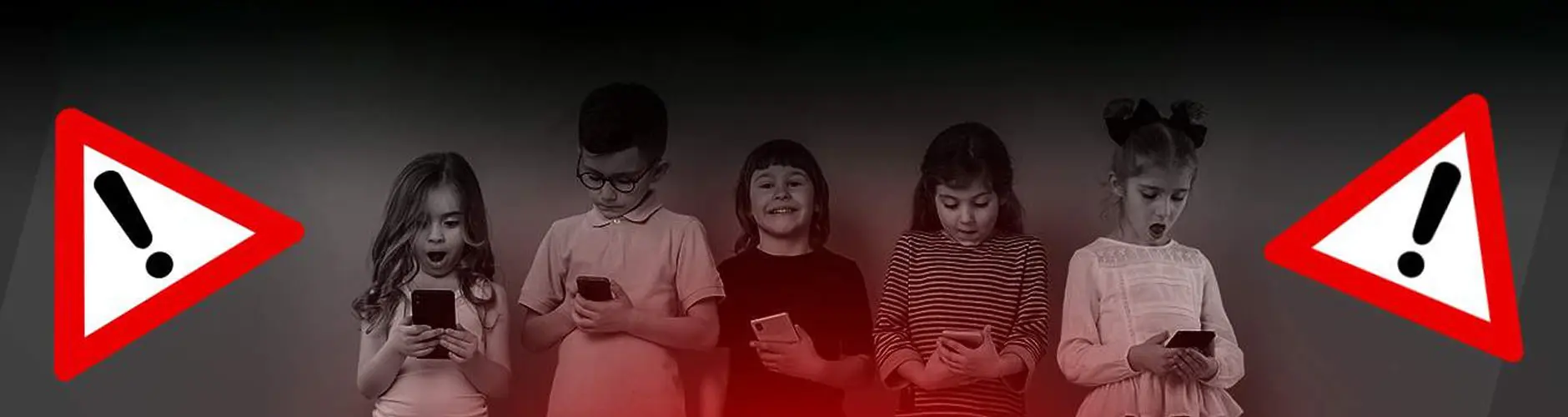
The US Senate recently proposed legislation, the ‘Protecting Kids on Social Media Act’, which aims to make the internet safe for children. It is one of the various proposals introduced in the US Senate in recent months with the objective of making the internet safer and more transparent for the younger generation. The proposed ‘Protecting Kids on Social Media Act’ was introduced by four senators, Katie Britt, Brian Schatz, Tom Cotton and Chris Murphy, parents to children or teens. The proposed Act has a key provision of banning social media for children under 13, which has invited debates from different stakeholders, some applauding the effort while others criticising it as a means to curb children’s freedom, furthering the debates of age-gating mechanisms and fixing responsibility for protecting children online and ensuring a safe and positive internet space for them.
Key provisions of the Act are:
- Prohibits all children under the age of 13 from using social media.
- Require permission of parents or guardians for users under the age of 18 years to create a social media account.
- Prohibit social media companies from using algorithms to recommend content to users under the age of 18 years.
- Requires companies to verify the age of users by using the latest technology in the field.
- It would require the Secretary of Commerce to test a program and to obtain 'secure digital identification credentials’ by using their IDs and validating the same against a government database.
Why this proposal?
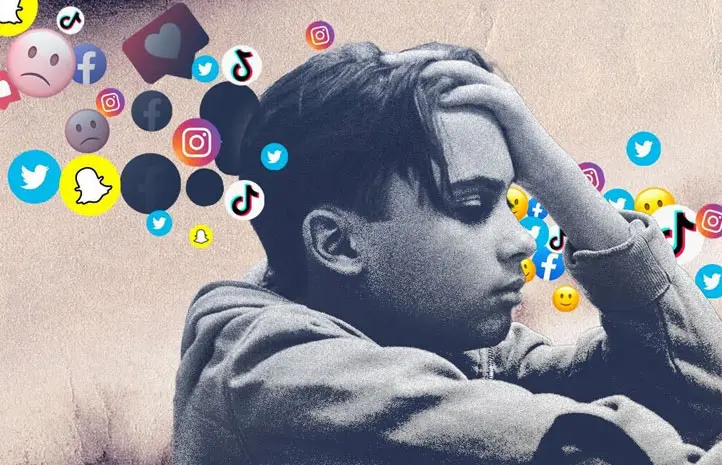
America is witnessing a huge mental health crisis. According to a recent report shared by the US Centre for Disease Control and Prevention, 57% of teen girls reported feeling sad and hopeless, while 30 % girls considered attempting suicide. This study explains the gravity of the situation and is mandated to investigate the causes behind these distressing data points. It was found that social media is one big factor in increasing mental health issues because of increased age-inappropriate content and ineffective age-gating mechanisms. "Enough is enough," says Britt, while proposing the legislation and saying that "the time to act is now." Fueling factors have been recent dangerous trends in social media platforms where children lost their lives, for instance, the Benadryl challenge and the skull breaker challenge of TikTok. Also, the Federal Trade Commission (FTC) said that the Messenger Kids app of Facebook has misled parents and failed to protect children’s privacy. Two states of the US, Utah and Arkansas, initiated stringent steps by imposing a minimum age restriction on social media platforms. Due to these various and compelling factors, the US federal body came under the responsibility to regulate special media for children, as despite several efforts by the governments of various countries, it was found difficult to tame these big techs; in one way or another, they shed their responsibility.
What’s Happening in India?
India is also in the same boat and struggling to protect children from online harms and cope with the young generation's social media addiction. The addiction is also causing a mental health crisis in India. According to a study by LocalCircles, 59% of parents agreed that children between the ages of 9-13 are spending three or more hours each day on social media, online games and video and many believed that the minimum age requirement for creating a social media account should be increased from the present 13 years.
India does not have a dedicated law to protect children in the online space. The Digital Personal Data Protection Bill, 2022, requires companies to have verifiable parental consent to process children's data (below 18 years), fixing the sole responsibility on parents to protect the negative experiences of children on online platforms. However, demands have been raised by stakeholders to lower the age bar, as it will restrict children's access to the internet for its positive use. The bill also prohibits taking out any targeted advertisement for children.
In India there is no law which clearly sets a bar for a child to create an online social media account, but many social media platforms (US as a country of origin) follow US law, Children’s Online Privacy Protection Act, 1998 to restrict collection of data of children below the age 13 years for example, Facebook, Instagram, Snapchat, WhatsApp and Twitter. No control exists to regulate children's access to social media accounts, which were initially designed keeping in mind adults and not children.
One positive ray of hope is the Digital India Act, which is set to be introduced in the coming month and aims to take steps to address mental health issues caused by social media and tackle modern harms.